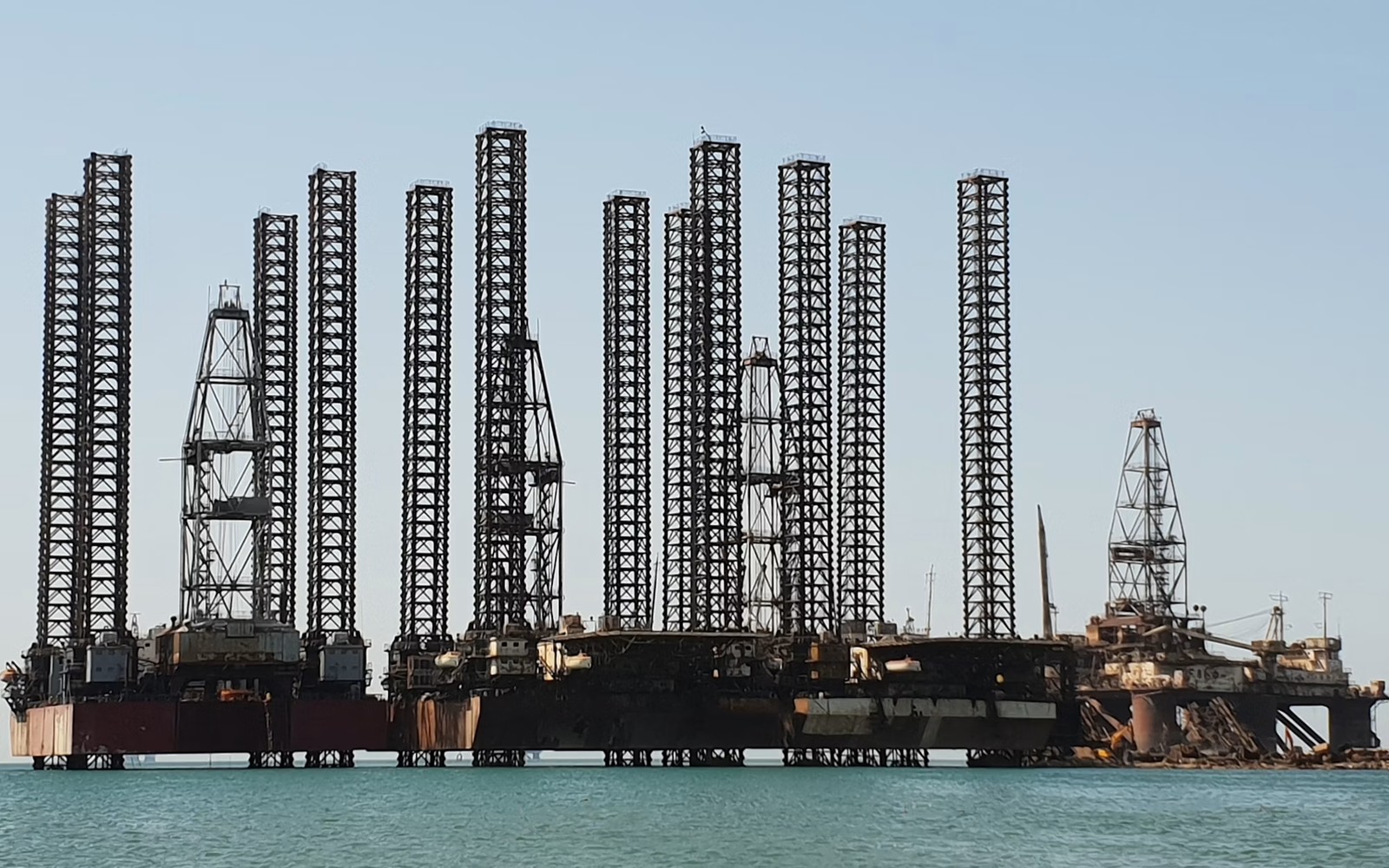
The Antrim is a mature, largely dormant play with no active horizontal drilling program, so the valuation is built entirely on remaining production rather than any development upside. That is structurally different from an active basin where a buyer is also pricing in future wells.
Antrim Shale Mineral Rights
The Antrim Shale stopped being a growth play a long time ago, so an honest valuation here starts from what the wells still make, not what the basin might someday do.
Michigan's Antrim Shale is a shallow, biogenic gas play that was drilled hard through the 1980s and 1990s across Otsego, Montmorency, Antrim, and Crawford counties, and almost none of that drilling has been repeated since. The wells produce from bacterial gas generation rather than thermal maturation, which gave them an unusually flat, long-lived decline curve compared to a typical shale well, but flat and long-lived does not mean large. Most Antrim units today are stripper wells making a modest, steady volume.
That changes how we approach a valuation. There is essentially no drilling upside to price in on legacy Antrim acreage, because the play is not being re-drilled with modern completions the way the Marcellus or Utica have been. What is left is a salvage-style calculation built off the well's current decline rate and remaining reserve life.
Why flat decline still means a small check
Antrim wells are famous among engineers for their gentle decline curves, dropping off far more slowly year over year than a typical shale or tight-sand well. That is a genuine asset for the owner because it means the remaining production tail can stretch out a long time, but the absolute volumes involved are small next to a modern horizontal well, so the dollar value of that tail is modest even when projected out a decade or more.
Buyers pricing Antrim interest are effectively buying a long, thin stream of royalty income and discounting it back to present value. The math rewards a well with genuinely low decline and penalizes anything showing signs of water breakthrough or mechanical decline on top of the natural curve, since Antrim wells do require ongoing dewatering to keep gas flowing.
No new drilling means no speculative premium
In an active shale play, part of what a buyer pays for is the chance that an operator drills a new unit nearby and lifts the value of your interest. That speculative layer barely exists in the Antrim today. Rig activity in the play has been essentially dormant for years, and there is no meaningful signal that operators are returning to re-frac or infill drill old units at scale.
Practically, that means an Antrim offer will sit closer to a straightforward PDP multiple than to anything resembling a growth-basin comp. If you see marketing that promises Antrim minerals are due for a comeback, treat it skeptically and ask what specific operator activity, if any, is behind the claim.
What ownership actually looks like on these older Michigan leases
A lot of Antrim minerals trace back to family land that was leased once, in the original boom, and has passed through one or two generations since without much attention. Small fractional interests split among heirs are common, and it is not unusual to find an owner holding a decimal interest measured in the thousandths after several rounds of inheritance.
Because the checks are small, some owners have never had the interest formally valued and are surprised the number is not larger. It usually is not, and that is the nature of a mature, shallow biogenic play rather than a sign the interest was mispriced by an operator or a buyer.
What the numbers on a division order actually mean here
A typical Antrim division order shows a small decimal interest applied to a unit that may pool several forty-acre legal descriptions drilled decades apart. Before assuming your decimal is correct, it is worth confirming it against the original unit designation on file with the Michigan Public Service Commission's oil and gas division, since heirship transfers over multiple generations sometimes carry forward a stale fraction rather than the currently recorded one.
A buyer building an Antrim offer will usually pull twelve to twenty-four months of statements and average the volume rather than lean on any single month, since gathering-system maintenance and seasonal dewatering both introduce noise into a well's reported gas rate without reflecting a real change in reserves.
Valuation Questions Owners Commonly Ask
These questions separate supported valuation inputs from estimates that still require a statement, deed, lease, order, or production record.
Why is your Antrim Shale offer so much lower than what you hear about Permian or Marcellus deals?
Do Antrim wells ever get re-drilled or re-fracked?
It happens occasionally but is not a broad program across the play the way re-fracking has become in some other mature basins. Absent a specific announced project on your unit, it is safer to value the interest on its current decline than to assume a future workover.
Your check has dropped noticeably over the past year, does that hurt the value?
Yes, a decline rate steeper than typical for the field usually points to water encroachment or mechanical issues, and buyers will adjust their remaining-life estimate accordingly. It is worth asking the operator whether any dewatering or workover activity has occurred on your well.
Is it worth getting a documented appraisal before selling a small Antrim interest?
For very small fractional interests the appraisal cost can outweigh the value being appraised. A buyer working from your last twelve months of check stubs can usually generate a fair PDP-based estimate without that added expense.
Reconcile the next valuation input
Carry the same source records and assumptions into these related workpapers so the range remains reviewable.
Tuscaloosa Marine Shale Mineral Rights
Why Tuscaloosa Marine Shale mineral rights value mostly on legacy production today, after operators pulled back from a play that never delivered on early promise.
Read the guideDJ Basin Mineral Rights
Colorado's DJ Basin trades on regulatory certainty as much as geology. See how permitting pace and setback rules factor into a fair valuation of Niobrara acreage.
Read the guideNiobrara Mineral Rights
How Niobrara mineral rights are priced in the DJ Basin's Weld County core versus outlying counties, including how Colorado setback rules reshaped the comp set.
Read the guideReady to place this interest on a reviewable valuation workpaper?
Share the county and state, record-owner name, operator or payor, recent statements, deed or lease if available, and the decision the valuation should support.