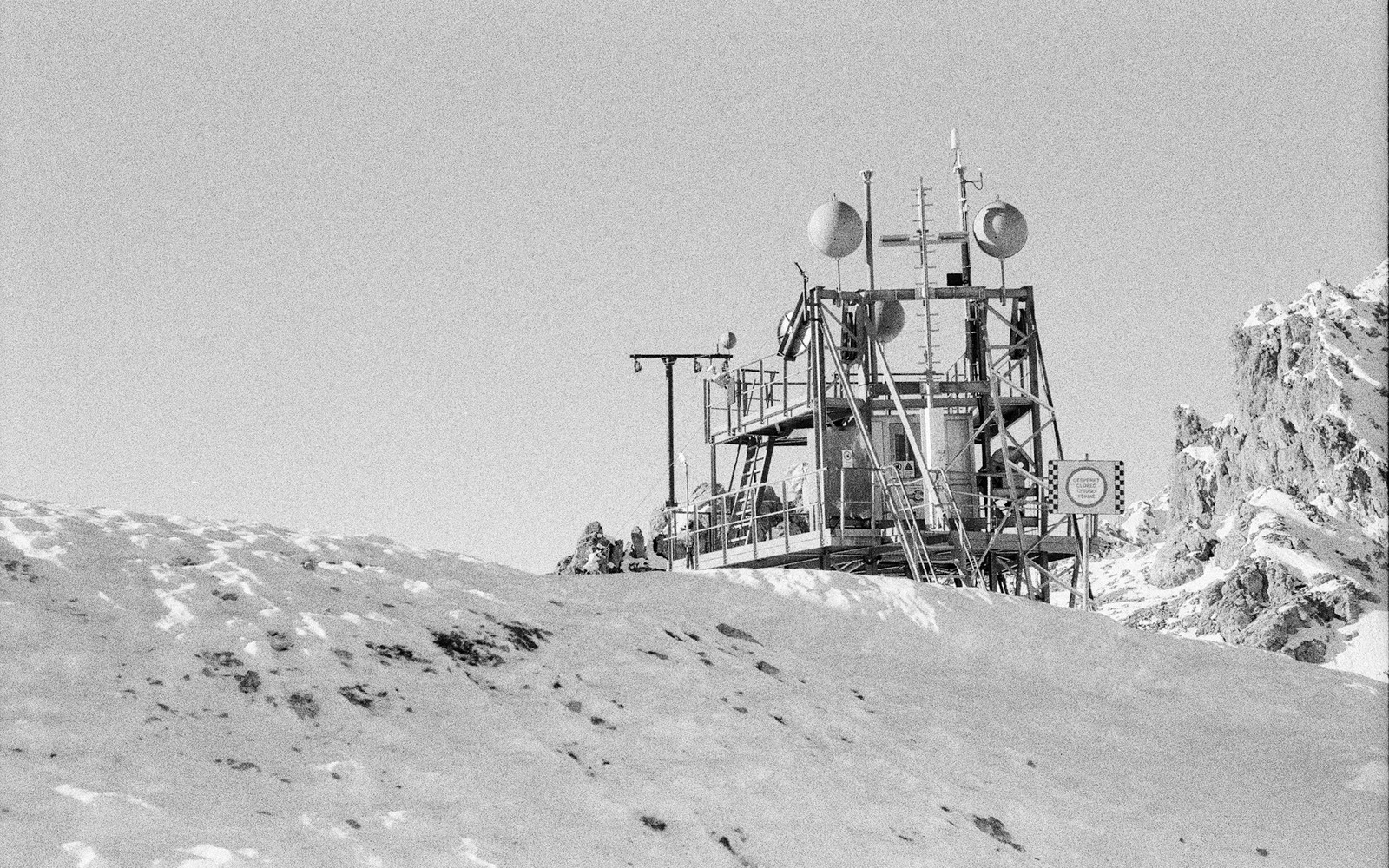
Current operator activity is limited, so valuations here lean heavily on trailing production and decline rather than risked upside from new drilling, which tends to produce a lower multiple than an actively drilled basin with comparable production.
Piceance Basin Mineral Rights
This is a gas basin where the honest valuation conversation starts with trailing production, because new drilling here has to compete for capital against basins that currently pay better.
The Piceance Basin in western Colorado, centered on Garfield, Rio Blanco, and Mesa counties, holds one of the country's larger tight-gas resources in the Mesaverde and Mancos formations. It was a heavily drilled basin through the 2000s under operators like Encana, later Ovintiv, along with WPX Energy and Bill Barrett Corporation. Activity fell off sharply once natural gas prices dropped and capital rotated toward oil-weighted plays, and it has stayed comparatively quiet since.
Legacy Wells and Long, Flat Declines
A meaningful share of Piceance production comes from wells drilled well over a decade ago that have moved past their steep early decline and settled into a long, comparatively flat tail typical of Mesaverde tight gas. That behavior is actually a point in favor of trailing-revenue-based valuation here, since a long, flat decline is more predictable than the steep early curve of a newer unconventional well, even if the absolute revenue level is modest compared to a newer, hotter basin.
Because that decline is gradual rather than steep, twelve months of trailing revenue tends to be a fairly reliable stand-in for the next several years of expected production, which simplifies part of the valuation even in a basin with limited new drilling.
A Mostly PDP-Weighted Valuation Today
With limited current permitting activity, most Piceance mineral interests value primarily off producing decline, trailing revenue run out against a realistic decline curve, rather than off a meaningful risked-upside component. That's not a knock on the basin's resource, it's an accurate read of where operator capital is going right now, and a valuation that assumes near-term new drilling here without evidence on the ground is overstating the number.
Owners should expect this basin's multiples to sit lower than an actively drilled oil play with comparable trailing revenue, reflecting the lower likelihood of near-term new wells adding to that revenue stream.
What Would Change the Multiple
A sustained recovery in gas pricing, renewed operator permitting, or a shift in capital allocation back toward Rockies gas assets would all support higher Piceance multiples than the basin has carried recently. None of that is speculative fantasy, tight-gas basins have cycled back into favor before when pricing supported it, but a valuation today shouldn't price in a recovery that hasn't shown up in permits yet.
Gas Price Sensitivity Cuts Both Ways
Because Piceance production is almost entirely natural gas, its valuation, both the trailing revenue itself and the multiple applied to it, tracks Henry Hub and regional Rockies gas pricing more directly than an oil-weighted basin tracks crude. A stretch of stronger gas prices can pull idle operator interest back and support a better multiple; a weak stretch does the opposite.
This means timing matters more here than in a basin with steadier activity. An owner comparing an offer received during a weak gas-price stretch against one from a stronger stretch should expect the numbers to differ meaningfully even with identical underlying wells. Garfield, Rio Blanco, and Mesa county acreage can each see slightly different treatment depending on which operators still hold active permits nearby.
Owners sometimes ask whether it's worth waiting for a stronger gas-price stretch before selling. That's a reasonable question with no universal answer, since it depends on your own timeline and risk tolerance as much as on where prices happen to sit at any given moment, and we'd rather walk through that tradeoff honestly than push a decision either direction. A patient owner who can wait out a weak stretch has a genuinely different calculus than one who needs liquidity now, and both are legitimate starting points for an honest conversation, without pressure toward selling right now or holding out for a stronger gas-price stretch sometime later on down the road.
Valuation Questions Owners Commonly Ask
These questions separate supported valuation inputs from estimates that still require a statement, deed, lease, order, or production record.
Why are Piceance Basin mineral values lower than oil-play basins right now?
Does natural gas price affect your Piceance royalty checks directly?
Yes, since production here is almost entirely gas, both the revenue itself and the multiple a buyer applies to it move with Henry Hub and regional Rockies gas pricing more directly than in oil-weighted plays.
Are Piceance wells still producing after all this time?
Many are, and Mesaverde tight-gas wells typically settle into a long, comparatively flat decline tail after their early years, which makes trailing production a reasonably stable base for valuation even without new drilling.
Could Piceance activity pick back up?
It's possible if gas pricing recovers meaningfully and operators redirect capital back toward Rockies gas assets, but a valuation today should reflect current permitting activity, not a hoped-for recovery that hasn't materialized yet.
Reconcile the next valuation input
Carry the same source records and assumptions into these related workpapers so the range remains reviewable.
Powder River Basin Mineral Rights
How Powder River Basin mineral rights price differently for legacy coalbed methane checks versus newer Niobrara and Turner horizontal wells in Campbell County.
Read the guidePermian Basin Mineral Rights
How Permian Basin mineral rights are priced by county and formation, Wolfcamp and Spraberry comps, rig-count sensitivity, and why Midland and Delaware valuations diverge.
Read the guideDelaware Basin Mineral Rights
Delaware Basin acreage often carries Wolfcamp, Bone Spring, and Avalon potential on one tract. See why stacked benches, beyond current production alone, drive value.
Read the guideReady to place this interest on a reviewable valuation workpaper?
Share the county and state, record-owner name, operator or payor, recent statements, deed or lease if available, and the decision the valuation should support.